Parging cost in Toronto typically falls between $3 and $8 per square foot, which works out to $900 to $3,500 for the foundation of a standard detached home. The range is wide because parging projects vary significantly in scope, surface condition, and what is discovered once the existing coating is removed. Understanding what drives cost up or down will help you evaluate any quote you receive and set realistic expectations before work begins.
This guide breaks down what parging costs by project type, explains what affects the final number, and covers what to watch for when hiring a parging contractor in the GTA.
What Is Parging?
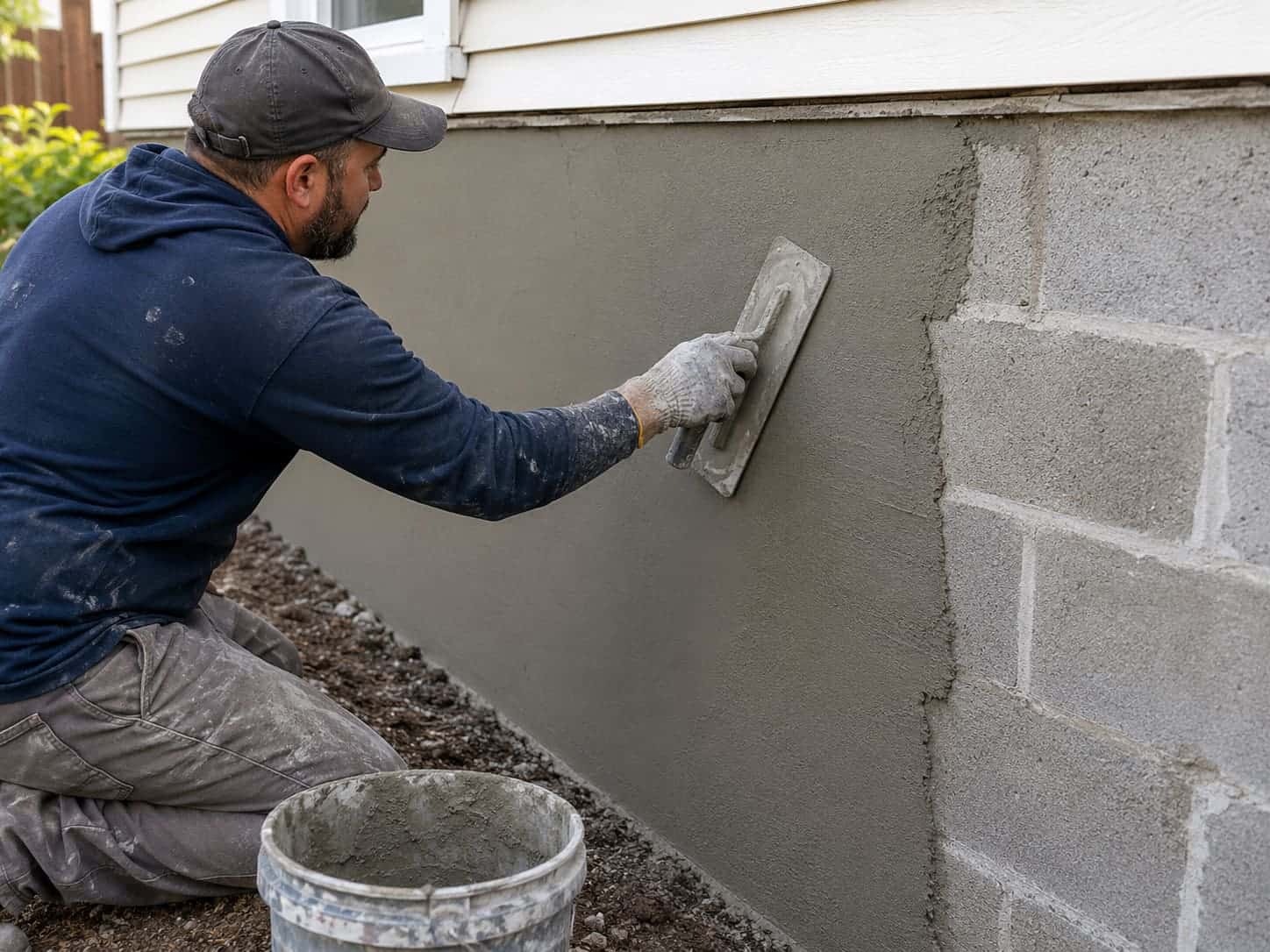
Parging is a mortar-based coating applied to masonry foundation walls, typically the section of the foundation that sits above grade and is visible from the exterior. It serves two purposes: it protects the underlying masonry or concrete block from weather exposure and moisture, and it gives the foundation a clean, finished appearance.
In Toronto, parging is common on homes built from the 1940s through the 1980s, many of which used concrete block or rough masonry foundations that were parged as part of original construction. Over time, parging cracks, chips, and peels away from the substrate. When that happens, the foundation beneath is exposed to moisture and freeze-thaw cycles, which accelerates deterioration of the underlying material.
Our parging services cover new application, repair of existing parging, and full removal and recoating where the old material has failed too extensively to patch.
Parging Cost in Toronto: By Project Type
Costs below reflect typical ranges for residential projects across the GTA. Actual pricing depends on surface area, substrate condition, access, and whether repairs to the underlying masonry are required before parging can be applied.
Parging Repair (Patching)
When parging is failing in isolated sections while the surrounding area remains sound, patching is the appropriate scope. Old or loose material is removed from the damaged area, the substrate is cleaned and prepared, and fresh parging is applied and feathered to match the surrounding surface.
- Small patch repair (under 10 sq ft): $250 to $600
- Moderate patch repair (10 to 30 sq ft): $500 to $1,200
Patching is cost-effective when damage is genuinely localized. If more than 30 to 40 percent of the parging on a wall is failing, full removal and recoating is typically the better approach. Patches applied to a surface that is broadly failing will not bond reliably and will begin lifting within a season or two.
Full Parging Removal and Recoat
When existing parging has failed extensively, cracked through, or has lost adhesion across a significant portion of the wall, the right scope is removal of the old material and application of a fresh coat over the prepared substrate. This produces a consistent, durable result and removes the risk of the old material continuing to fail beneath new parging.
- Full removal and recoat (per linear foot of foundation): $25 to $55 per linear foot
- Semi-detached or row home (one or two exposed sides): $900 to $2,000
- Detached home (three or four sides): $2,000 to $4,500
New Parging on Bare Foundation
Applying parging to a foundation wall that has never been parged, or where all existing material has been removed, involves surface preparation, application of a bonding layer in some cases, and one or two coats of parging mortar depending on the substrate and desired finish thickness.
- New parging application: $4 to $8 per square foot installed
Parging Over Rigid Insulation (Exterior Insulation Systems)
Some foundation insulation retrofits involve applying parging over rigid foam insulation panels that have been installed on the exterior of the foundation. This requires a mesh-reinforced application process and specific materials. It is a more involved scope than standard foundation parging.
- Parging over rigid insulation: $7 to $12 per square foot
What Affects the Cost of Parging in Toronto
Surface Condition and Substrate Preparation
The condition of the wall before parging begins is the biggest variable in final cost. A clean, stable concrete block foundation with minor surface deterioration requires straightforward preparation. A foundation where the existing parging has failed in multiple layers, where the block beneath is crumbling, or where there are active cracks that need to be addressed before coating requires significantly more preparation time and may involve additional repair materials.
If the substrate needs structural repair before parging can be applied, that work is scoped and priced separately from the parging itself. Our foundation repair team assesses substrate condition as part of any parging quote, so you understand exactly what is involved before committing to work.
Surface Area
Foundation exposure varies considerably between property types. A detached home with four exposed foundation sides has more linear footage to parge than a semi-detached with two. Bungalows with low above-grade foundation exposure cost less than two-storey homes or split-levels where the foundation section is taller. Square footage is the primary unit parging contractors use to price work.
Access and Grading
Parging requires direct access to the wall surface at close range. Dense plantings, decks built against the foundation, air conditioning units installed flush to the wall, and steps or structures that sit against the foundation all create access challenges that add time to the job. Soil graded close to the wall may also require clearing before the mason can work the lower section of the foundation.
Number of Coats
Standard parging is applied in one or two coats depending on the condition of the substrate and the desired finish thickness. A single scratch coat provides basic coverage. A two-coat application, where a base coat is allowed to partially cure before a finish coat is applied, produces a more durable and weather-resistant result. Two-coat application costs more but performs better over time in Toronto’s climate.
Season and Curing Conditions
Parging is a mortar-based product and requires temperatures above 5 degrees Celsius to cure correctly. Work done in cold conditions risks freeze damage to uncured mortar, which compromises adhesion and causes early failure. Most parging contractors in Toronto will not apply parging when temperatures are forecast to drop below freezing within 48 hours of application. The practical working season runs from late April through October. Summer scheduling is ideal for curing but also the busiest period, which can affect lead times.
Common Reasons Parging Fails
Understanding why parging fails helps explain what a quality application involves and what to look for when evaluating a contractor.
Inadequate Surface Preparation
Parging applied over loose, dirty, or contaminated surfaces will not bond properly. The substrate needs to be clean, structurally sound, and free of oil, paint, efflorescence, and loose material before any new coating is applied. Skipping or shortcutting this step is the most common reason parging fails prematurely.
Wrong Mortar Mix
Parging mixes vary in composition, and the right mix depends on the substrate and the exposure conditions. A mix that is too rich in Portland cement is brittle and prone to cracking on foundations that experience movement. Mixes with appropriate lime content have more flexibility and adhere better to older masonry substrates. This is a technical consideration that experienced masons account for and that cost-cutting contractors often do not.
Application in Cold or Wet Conditions
Parging applied when the temperature is too low or the surface is wet will not cure properly. Early freeze damage to mortar looks fine initially but causes the coating to delaminate from the substrate within one or two seasons. Reliable contractors monitor forecast conditions and schedule accordingly rather than pushing through in marginal weather.
Lack of Control Joints on Long Runs
On long foundation walls, parging without control joints creates conditions for horizontal cracking as the material expands and contracts with temperature changes. Proper application includes tooled or cut control joints at intervals that allow movement without cracking through the face of the coating.
Parging and Waterproofing: Understanding the Relationship
Parging provides a degree of moisture protection by covering the porous surface of concrete block or rough masonry. It is not, however, a waterproofing system. If a foundation wall is experiencing active water intrusion, hydrostatic pressure from the exterior soil, or significant cracking that allows water through the wall assembly, parging alone will not solve the problem.
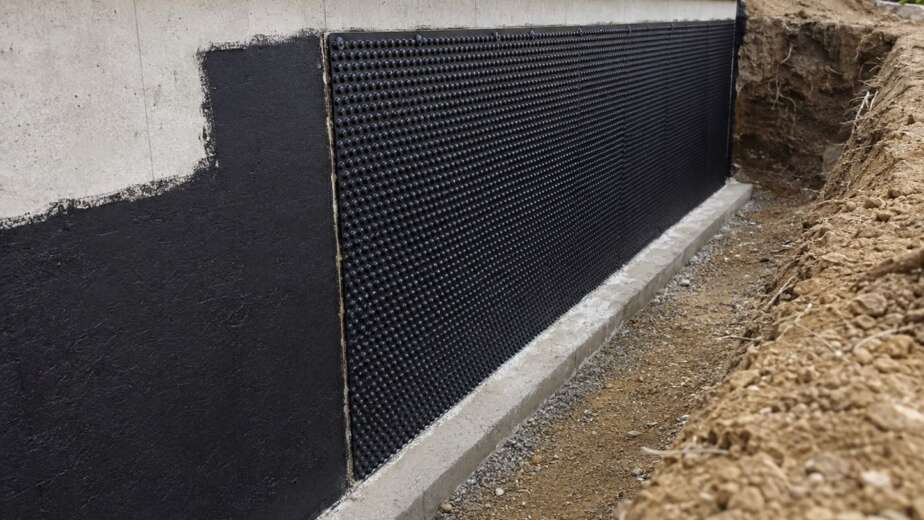
In those situations, parging is often part of a broader scope that includes drainage correction, exterior membrane waterproofing, or interior drainage systems depending on the source of the water. Our exterior waterproofing services address the moisture management side of foundation work when parging alone is not sufficient.
If you are not sure whether your foundation needs parging, waterproofing, or both, an on-site assessment is the reliable way to get a clear answer. The two are related but distinct scopes, and treating one when you need the other produces disappointing results.
How to Get an Accurate Parging Quote in Toronto
Parging quotes done without a site visit are approximate at best. The substrate condition, the extent of existing failure, and the access situation all affect scope in ways that are not visible from photos. An accurate quote requires a mason to look at the foundation in person.
When comparing quotes, look beyond the bottom line. Ask what preparation is included, whether the quote covers removal of existing failed parging or assumes the surface is ready to coat, how many coats are included, and what warranty coverage applies to the work. These details make a meaningful difference to the durability of the result and are worth clarifying before work begins.
If you are looking for a masonry contractor in Toronto for parging work, you can also request a free estimate from our team directly. We assess foundation condition, scope the work, and give you a clear breakdown of what is involved before you commit to anything.
Frequently Asked Questions About Parging Cost in Toronto
How much does it cost to parge a typical Toronto home foundation?
For a standard detached home in Toronto with three or four exposed foundation sides, full parging typically costs between $2,000 and $4,500. Semi-detached homes with one or two exposed sides generally fall between $900 and $2,000. These ranges assume the substrate is in reasonable condition. Significant substrate repair, removal of heavily failed existing parging, or difficult access conditions can push costs higher. A site visit gives the most accurate number for your specific property.
How long does parging last in Toronto?
A properly applied parging job using the right mortar mix and correct surface preparation should last 15 to 25 years in Toronto’s climate. Many homeowners find their parging lasts toward the lower end of that range because original work was done with mixes that were too rigid or without adequate preparation. Quality application with appropriate materials consistently performs better over time, which is why the preparation steps and mortar selection matter as much as the application itself.
Can I parge my foundation myself?
Parging is a skilled trade application and not a reliable DIY project for most homeowners. The mortar mixing, surface preparation, application consistency, and finishing require experience to get right. Parging applied without proper technique fails quickly, often within a season or two, and removing failed DIY parging adds cost to any professional repair. For a small, accessible patch repair, some experienced DIYers manage it adequately. For full foundation parging, professional application is the reliable choice.
Does parging add value to a home?
Yes, in practical terms. Fresh parging improves the appearance of an exposed foundation and signals that the exterior of the home is being maintained. Crumbling or missing parging is a flag for buyers and home inspectors, as it raises questions about the condition of the foundation beneath. Addressing parging before listing removes a common inspection objection and presents the home in better condition. The return on investment is not dramatic, but the cost of leaving it deteriorated tends to come back as a negotiating point in a sale.
What is the difference between parging and stucco?
Parging and stucco are both mortar-based coatings applied to masonry surfaces, and the terms are sometimes used interchangeably in casual conversation. The practical distinction is in application context and mix design. Parging typically refers to the coating applied to foundation walls and below-grade or near-grade masonry, using a mix suited for that exposure. Stucco refers to the finish coating applied to above-grade wall surfaces, often in multiple layers with a finish coat that may include colour or texture. A mason working with either will select materials appropriate to the surface and exposure conditions.
Should I repair my parging or remove it and start fresh?
The answer depends on how much of the existing parging is still adhering properly. If damage is localized to 20 to 30 percent or less of the surface, patching is a reasonable and cost-effective approach. If failure is distributed across more than a third of the surface, or if the existing parging is delaminating broadly even where it looks intact, full removal and recoating produces a more durable result. A mason can assess adhesion by sounding the surface, which identifies sections that appear intact but have already separated from the substrate beneath. This is the reliable way to determine which scope makes sense for your foundation.