As winter sets in across Toronto, few things are as comforting as gathering around a warm, crackling fire. But before lighting that first log of the season, it’s important to ensure your fireplace and chimney are safe, efficient, and ready for regular use. Neglecting maintenance can lead to smoke problems, poor heat output, or even chimney fires. Here’s a complete guide from GTA Masonry on how to prepare your fireplace—whether wood-burning, gas, or fuel-based—for the cold months ahead.
1. Exterior Chimney Inspection
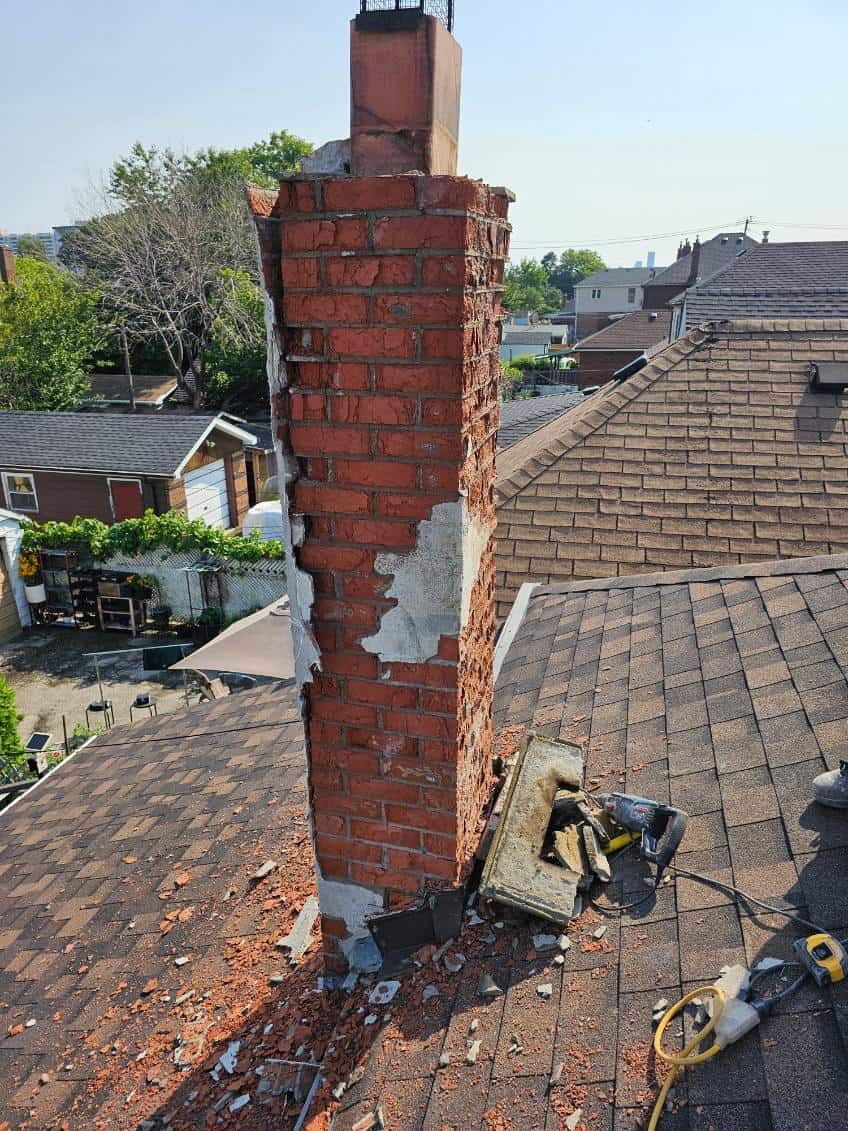
Start with a thorough visual inspection of your chimney from the outside. Weather and time can deteriorate mortar joints, bricks, and chimney caps, especially after years of freeze–thaw cycles.
- Check for cracks or missing mortar joints. If joints appear loose, cracked, or recessed, schedule professional tuckpointing services to restore the integrity of the brickwork and prevent water infiltration.
- Inspect the chimney cap and crown. Look for cracks or flaking in the cement cap. If damaged, have it re-mortared or replaced with a new poured or pre-cast cement crown to keep moisture out.
- Ensure proper chimney height. Chimneys that are too short can struggle with airflow, causing smoke to backdraft into the home on low-pressure or rainy days.
2. Interior Chimney Cleaning & Inspection
The inside of your chimney collects soot and creosote—a highly flammable residue that can ignite if not removed. Professional cleaning and inspection should be done at least once a year.
- Hire a certified chimney sweep. They will remove soot buildup, inspect flue liners, and confirm there are no obstructions like bird nests or debris.
- Check for metal liner integrity. If your chimney includes a metal flue liner, ensure connections are secure and corrosion-free. Damaged liners reduce efficiency and safety.
- Install a rain cap or animal screen. This prevents birds, squirrels, and other wildlife from nesting inside the chimney while maintaining airflow.
For any structural concerns uncovered during cleaning, book a professional chimney repair service before using the fireplace again.
3. Test and Maintain Fireplace Components
- Check the damper. Ensure it opens and closes fully. A stuck damper restricts airflow, causes smoke to back up, and reduces heat efficiency.
- Remove excess ashes. A one-inch layer of ash can help insulate coals, but excess buildup restricts airflow and makes it harder to start new fires.
- Inspect fans or blowers. For fireplaces with electric fans, confirm that wiring is intact, controls function correctly, and vents are clear of dust or blockages.
4. Preparing a Wood-Burning Fireplace
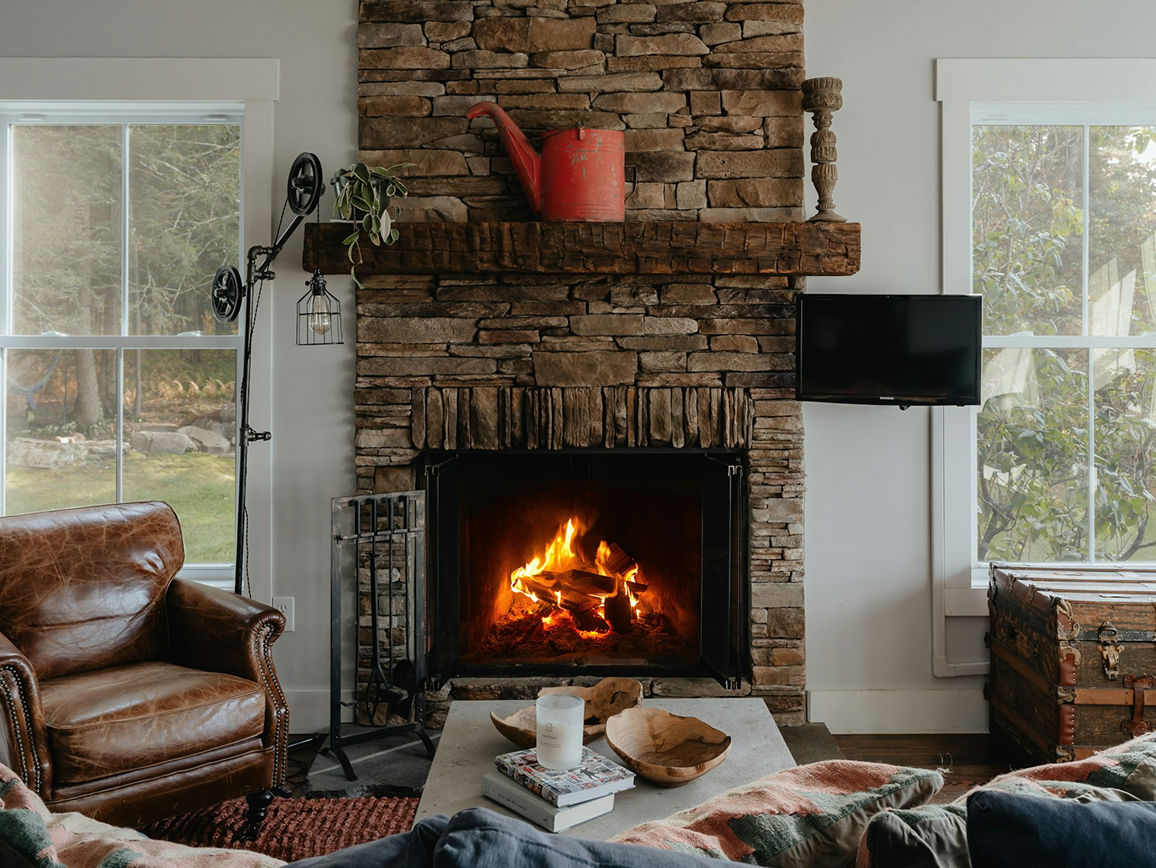
Wood-burning fireplaces require extra attention to prevent smoke issues and creosote buildup.
- Use seasoned hardwood. Choose maple, oak, or ash logs dried for at least six months. Avoid burning wet or green wood—it smokes heavily and leaves more residue.
- Prime the flue before starting a fire. Light a small piece of newspaper or kindling near the damper for 30 seconds to warm up the flue and create upward draft.
- Control airflow. Once the fire is burning steadily, partially close the damper to slow combustion and retain more heat inside your home.
- Keep the area around the chimney clear. Trim back any tree branches that overhang or obstruct airflow.
Fire Safety Reminders
- Never burn plastic, treated wood, or Styrofoam—these release toxic chemicals and damage air quality.
- Keep a Class ABC fire extinguisher nearby and test smoke and carbon monoxide detectors on every floor twice per year.
5. Preparing a Gas Fireplace
Gas fireplaces are lower-maintenance but still need annual inspections for safety and performance.
- Hire a licensed gas technician. They will inspect burners, clean jets, test igniters, and verify correct gas pressure and flame quality.
- Replace worn igniter switches. Over time, these can corrode or fail from heat cycles.
- Check synthetic logs. Ceramic logs degrade after years of use and should be replaced every 2–3 years to maintain appearance and flame pattern.
- Inspect the metal liner and venting. Confirm all connections are tight and properly sealed to prevent exhaust leaks into the home.
6. Preparing a Fuel-Burning or Propane Fireplace
- Inspect gas lines and connections. Use a soap-and-water solution around fittings—bubbles indicate leaks. If you find any, shut off the gas supply immediately and contact a professional.
- Check hoses for wear. Replace cracked or corroded lines rather than attempting to patch them.
- Monitor external storage tanks. For rural homes using propane, confirm tanks are properly filled and connections weather-tight before temperatures drop.
- Maintain safety equipment. Ensure carbon monoxide detectors are functioning and located near sleeping areas; replace batteries annually.
7. Don’t Forget Outdoor Fireplaces
Outdoor fireplaces and pizza ovens are becoming a popular addition to Toronto backyards and patios. Whether natural gas, propane, or wood-burning, these features need care too:
- Clean out ash and debris before winter.
- Cover openings to prevent moisture intrusion or nesting animals.
- Inspect surrounding masonry or brickwork for cracks or mortar damage caused by temperature shifts.
- Consider resealing stonework or performing brick restoration if you see spalling or surface flaking.
8. Safety Essentials for Every Home
- Install smoke and carbon monoxide detectors on every floor and test them monthly.
- Keep a fire extinguisher within easy reach of all indoor and outdoor fireplaces.
- Schedule annual chimney inspections—even gas systems need yearly maintenance for safe venting.
Final Thoughts
Proper fireplace maintenance isn’t just about aesthetics—it’s about safety, comfort, and long-term protection for your home. By inspecting your chimney, cleaning the flue, checking dampers, and using quality fuel, you can enjoy a safe and efficient fire all winter long.
Whether you need professional chimney repair services or seasonal masonry maintenance, GTA Masonry offers expert craftsmanship across the Greater Toronto Area. Keep your fireplace ready, your home smoke-free, and your winter nights warm and inviting.