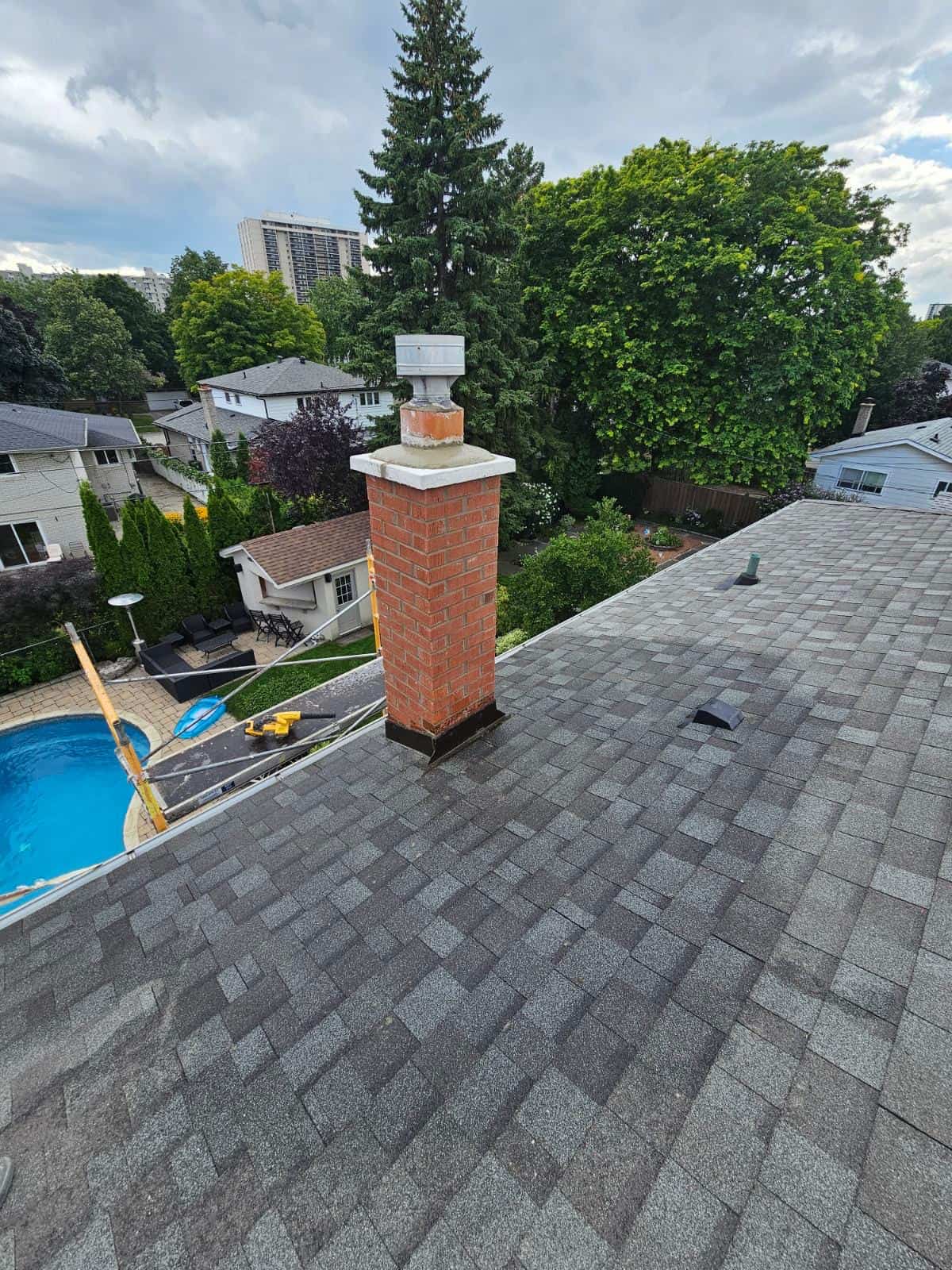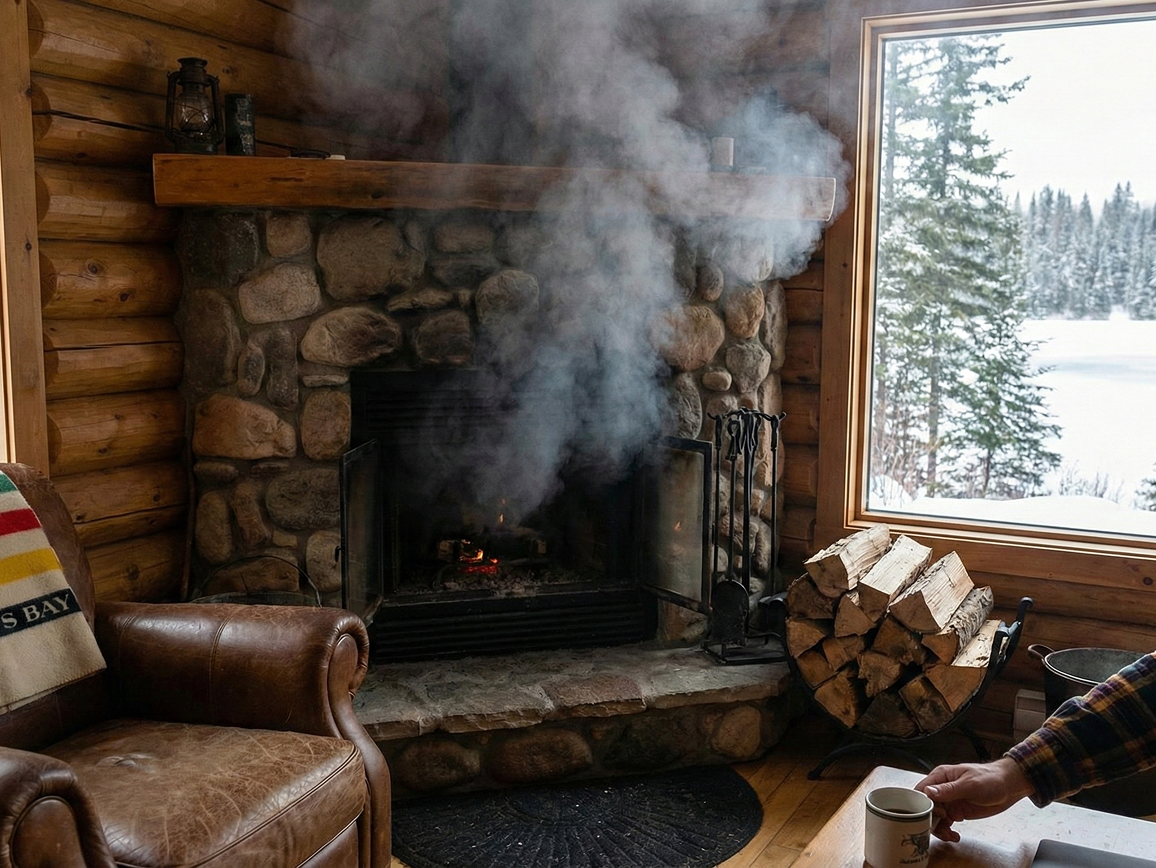
There’s nothing quite like the crackle of a wood-burning fireplace on a cold Toronto evening—but when smoke starts billowing into your living room instead of rising up the chimney, the charm disappears fast. At GTA Masonry, we frequently see this issue in older homes and downtown properties with aging chimneys or poor ventilation. Understanding why your fireplace smokes and how to correct it can help you restore warmth, safety, and comfort to your home.
Common Reasons Your Fireplace Is Smoking
1. Burning Wet or Green Wood
Wood that hasn’t been properly seasoned contains high moisture levels. When burned, it produces excessive steam and creosote, leading to poor combustion and heavy smoke. Even if your chimney is in perfect shape, wet wood will always create smoky fires and soot buildup.
Solution: Use only seasoned hardwoods—oak, maple, ash—that have been dried for at least six months. Store logs off the ground and under a covered area to keep them dry.
2. Cold or Unprimed Flue
When a fireplace flue is cold, the air inside it becomes heavy. As you light the fire, warm smoke can’t rise properly and instead spills back into the room. This is especially common in tall or exterior chimneys that stay cold during the winter.
Solution: Before lighting your main fire, roll up a sheet of newspaper, light it, and hold it inside the firebox near the damper for about 30 seconds. This warms up the air column in the flue and starts a proper upward draft.
3. Closed or Blocked Damper
The damper regulates airflow between your fireplace and chimney. If it’s closed or jammed with debris, smoke has nowhere to go except back into your home. Birds’ nests, leaves, or corrosion can all interfere with its movement.
Solution: Check the damper before every use. If it feels stuck, gently shake or move it to dislodge loose debris. Persistent jams or rust may require professional servicing or part replacement during a routine chimney repair service.
4. Improperly Sized Flue or Fireplace Opening
For a chimney to draw correctly, the flue must be sized proportionally to the fireplace opening. If the opening is too large or the flue liner too small, smoke can’t escape fast enough and is forced back into the room. This “choking effect” is common in older or modified fireplaces.
Solution: You can’t safely enlarge a flue without major reconstruction, but you can slightly reduce the size of your fireplace opening. This limits airflow to match the flue’s capacity, improving draft efficiency and reducing smoke.
5. Obstructed Chimney Cap or Birdcage
Rain caps and bird guards are designed to protect the chimney from water and pests—but if poorly fitted, they can restrict airflow. Over time, soot, leaves, or nests can further block the top of the flue.
Solution: Replace bulky caps with a low-profile, fine-mesh screen that keeps debris out while maintaining proper airflow. Have the chimney top professionally inspected annually to ensure it remains clear.
6. Surrounding Airflow Problems
Nearby trees, tall buildings, or wind patterns can interfere with your chimney’s draft. If surrounding objects create negative pressure or backdraft conditions, smoke may be pulled back down the flue instead of escaping.
Solution: Trim tree branches or nearby vegetation that obstruct airflow. In urban Toronto settings, where neighboring structures can alter wind direction, a properly designed chimney cap or height extension may help re-establish positive draft.
Additional Tips for a Smoke-Free Fireplace
- Keep your chimney clean: Schedule annual sweeping to remove creosote buildup that can restrict airflow and increase fire risk.
- Open nearby windows slightly: Tight homes with modern insulation can create negative indoor air pressure. Allowing fresh air in helps the chimney draft naturally.
- Build smarter fires: Place smaller, dry kindling at the bottom and larger logs on top. Avoid overloading the firebox, which can smother airflow.
- Inspect for cracks or leaks: Damaged mortar joints or missing flue liners can disrupt chimney draft and leak smoke. For professional restoration, consider brick repair services to restore structural integrity.
When to Call a Professional
If your fireplace continues to smoke after addressing these basics, it may indicate deeper structural or airflow issues. Common underlying causes include:
- Flue obstructions or collapsed liners
- Improper chimney height or termination relative to the roofline
- Damaged chimney crown or missing flashing
- Negative indoor pressure from exhaust fans, furnaces, or range hoods
In such cases, a certified mason can assess draft performance, measure flue dimensions, and provide repair or redesign recommendations. GTA Masonry specializes in diagnosing draft issues and performing long-lasting chimney and fireplace repairs that comply with Ontario Building Code standards.
Final Thoughts
A smoking fireplace is more than an annoyance—it’s a signal that something isn’t functioning correctly. Whether it’s wet wood, a cold flue, or improper chimney sizing, the issue can usually be fixed without major reconstruction. Regular maintenance, proper burning habits, and seasonal chimney inspections will ensure your wood-burning fireplace stays efficient, safe, and smoke-free all winter long.
For expert advice or professional repairs, reach out to GTA Masonry. Our team provides reliable chimney repair services and masonry restoration across Toronto to keep your home warm and worry-free year after year.