A chimney rebuild is a bigger step than a routine repair, and knowing when it is genuinely necessary saves homeowners from both premature teardowns and dangerous delays. When brickwork has deteriorated past the point of patching, rebuilding restores the structure properly rather than papering over a failing chimney.
This guide explains when a chimney rebuild is the right call, what the process involves, and how it differs from a repair. If your chimney is showing serious wear and you are trying to understand your options, this will help you know what to expect and what questions to ask.
What a Chimney Rebuild Is
A chimney rebuild is the removal and reconstruction of part or all of a chimney’s masonry. Rather than repairing individual bricks or joints, the affected section is taken down to sound material and rebuilt with new brick, block, and mortar.
Rebuilds come in two broad forms. A partial rebuild addresses the portion of the chimney above the roofline, which is the most exposed and most commonly deteriorated section. A full rebuild reconstructs the chimney from a lower point, sometimes to the foundation, when deterioration runs deeper. The right scope depends on how far the damage extends.
The goal is always the same: a chimney that is structurally sound, weather-resistant, and safe to use, built to last rather than patched to get by.
When a Chimney Rebuild Becomes Necessary
Not every damaged chimney needs rebuilding, but several conditions point clearly toward it rather than a repair.
Widespread Spalling and Crumbling Brick
When bricks are flaking, cracking, or crumbling across much of the chimney rather than in isolated spots, the masonry has absorbed water and gone through too many freeze-thaw cycles. Once spalling is widespread, replacing individual bricks no longer solves the problem.
Failed Mortar Throughout
Mortar joints naturally erode over decades. When the mortar has failed extensively and the brick itself is also compromised, repointing alone will not restore the structure. This is a common tipping point from repair into rebuild territory.
Leaning or Structural Movement
A chimney that is visibly leaning, separating from the house, or bowing has a structural problem that patching cannot fix. This is a safety concern and one of the clearest signs a rebuild is needed rather than a cosmetic repair.
Interior Damage and Water Penetration
Long-term water penetration can damage the chimney from the inside, including the flue and liner. When the internal structure is affected, surface repairs do not reach the real problem, and rebuilding may be the only sound solution.
If you are unsure whether your chimney has reached this stage, our comparison of chimney repair vs. rebuild walks through where the line falls in more detail.
What the Chimney Rebuild Process Involves
A rebuild is a methodical process, and understanding the stages helps you know what a proper job looks like.
Inspection and Assessment
The process begins with a thorough inspection to determine how far the deterioration extends. This establishes whether a partial or full rebuild is needed and where sound material begins. A careful assessment prevents both under-scoping, which leaves problems behind, and over-scoping, which removes more than necessary.
Teardown to Sound Material
The damaged section is carefully dismantled down to structurally sound masonry. This chimney teardown is done in a controlled way to protect the roof, flashing, and surrounding structure. Debris is managed and the work area kept safe throughout.
Rebuilding the Masonry
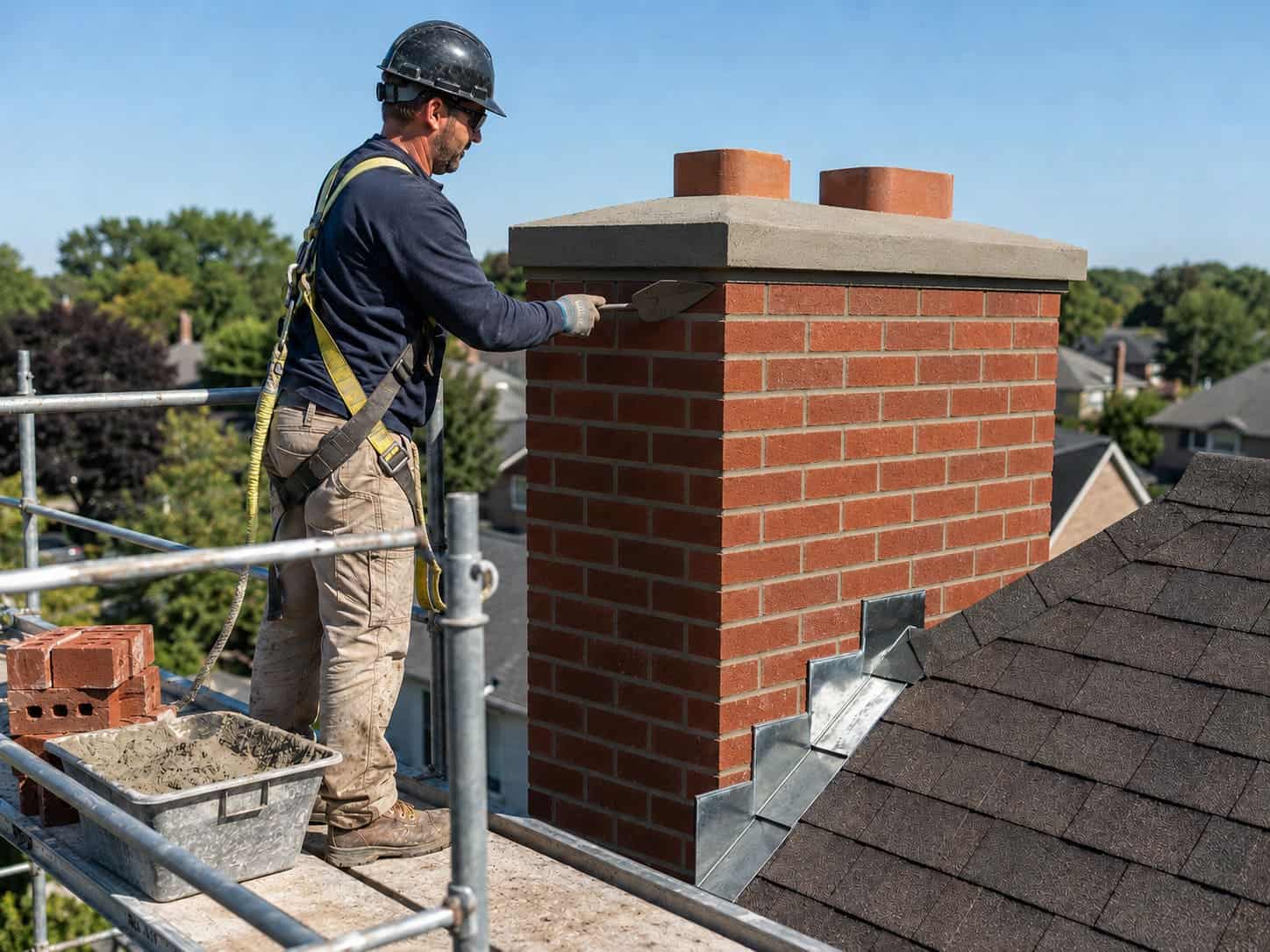
The chimney is rebuilt with new brick or block and fresh mortar, matched as closely as possible to the original where appearance matters. Proper coursing, alignment, and mortar work are what give the rebuilt section its strength and longevity. Where relevant, the flue and liner are addressed as part of the work.
Crown, Flashing, and Weatherproofing
A rebuild is completed with a properly formed chimney crown and correct flashing where the chimney meets the roof. These details keep water out, which is what protects the new masonry from repeating the deterioration that led to the rebuild. Skipping them shortens the life of the whole job.
Chimney Rebuild Versus Repair
Choosing between a repair and a rebuild comes down to how extensive the damage is, and getting that judgment right matters for both safety and cost.
When Repair Is Enough
If the damage is localised, such as a few spalled bricks, some eroded mortar, or a cracked crown, targeted chimney repair restores the chimney without the expense of a rebuild. Catching problems early is exactly what keeps a chimney in repair territory rather than rebuild territory.
When a Rebuild Is the Right Call
When deterioration is widespread, the structure is moving, or repeated repairs have not held, a rebuild is the more sensible long-term choice. Continuing to patch a failing chimney often costs more over time than rebuilding it once and correctly. A trustworthy contractor will tell you honestly which situation you are in rather than defaulting to the larger job.
What Affects the Cost of a Chimney Rebuild
Rebuild pricing depends on scope and access more than any single figure. Knowing the drivers helps you plan.
- Partial versus full rebuild. Rebuilding above the roofline costs less than reconstructing the chimney from a lower point.
- Chimney size and height. Larger, taller chimneys use more material and labour.
- Access and safety setup. Steep roofs and difficult access require more scaffolding and time.
- Materials. Matching specific or heritage brick can affect both cost and lead time.
- Additional work. Flue, liner, crown, and flashing work included in the rebuild add to the scope.
Because these vary so much, an on-site assessment is the only way to give an accurate figure. For a fuller breakdown of pricing, our guide to chimney repair cost in Toronto covers how these factors translate into a quote.
Common Misconceptions About Chimney Rebuilds
A few misunderstandings lead homeowners to make the wrong call, in both directions.
- “A rebuild is always overkill.” Sometimes patching a chimney that is structurally failing is the false economy, since repeated repairs cost more than one correct rebuild.
- “Any damage means a full rebuild.” Equally, localised damage often needs only a repair. A rebuild is not automatically the answer to every problem.
- “The crown and flashing are optional extras.” These weatherproofing details are what protect the new masonry. Leaving them out invites the same deterioration to return.
- “Looks are all that matter.” A rebuild is first about structure and safety. Matching brick matters for appearance, but sound construction is what makes the chimney last.
Understanding these helps you approach a chimney problem sensibly and recognise when a contractor’s recommendation fits the actual condition of your chimney.
Frequently Asked Questions About Chimney Rebuilds
How do I know if my chimney needs a rebuild or just a repair?
It comes down to how widespread the damage is. Localised issues such as a few spalled bricks, eroded mortar in some joints, or a cracked crown can usually be repaired. A rebuild becomes necessary when deterioration is extensive, the chimney is leaning or moving, water has damaged the internal structure, or repeated repairs have failed to hold. The reliable way to know is a professional inspection that determines how far the damage extends and where sound material begins. A trustworthy contractor will recommend the smaller repair when that is genuinely enough.
How long does a chimney rebuild take?
The timeline depends on the scope, but a partial rebuild above the roofline is often completed in a few days, while a full rebuild takes longer. Access, chimney size, weather, and any additional flue, liner, or flashing work all affect the schedule. Setting up safe access and scaffolding is part of the job and adds time on steep or difficult roofs. A contractor can give you a realistic timeline after inspecting the chimney and confirming the scope of what needs rebuilding.
Can a chimney be rebuilt in winter?
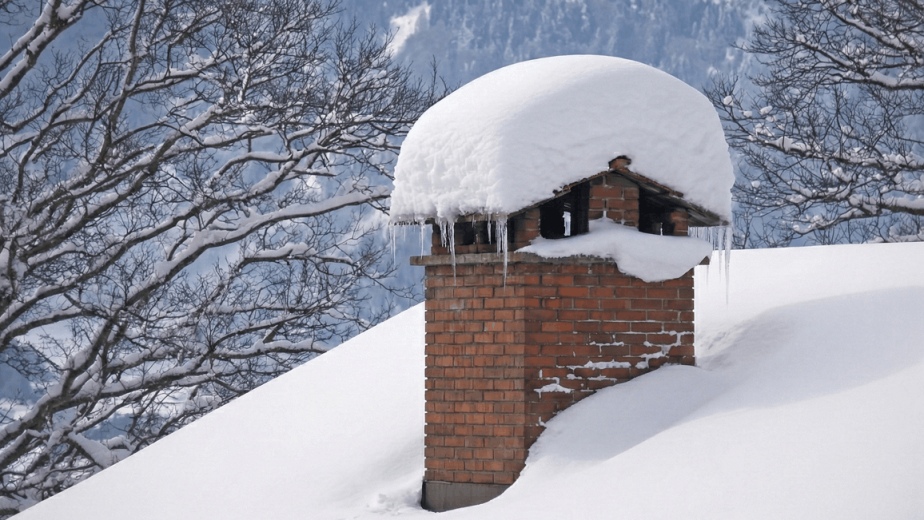
Masonry work is best done in milder conditions because mortar needs appropriate temperatures to cure properly, so exterior chimney rebuilds are typically scheduled for the warmer months. Cold weather can compromise how mortar sets, which affects the strength and longevity of the rebuild. In some cases work can proceed with precautions during shoulder seasons, but deep winter is generally avoided for a rebuild. If your chimney has an urgent safety issue in winter, a contractor can advise on temporary measures until conditions allow a proper rebuild.
Is a partial chimney rebuild as good as a full one?
A partial rebuild is entirely appropriate when the deterioration is confined to the upper, most exposed section of the chimney, which is the most common scenario. Rebuilding down to sound material and reconstructing from there produces a solid, lasting result without removing masonry that is still in good condition. A full rebuild is only necessary when the damage extends lower into the structure. Matching the scope to the actual condition is the correct approach, so a well-judged partial rebuild is as sound as a full one when that is what the chimney needs.
What happens if I delay a needed chimney rebuild?
Delaying a necessary rebuild allows the deterioration to continue, and with a chimney that can become a safety concern. A leaning or crumbling chimney can shed masonry, and water penetration worsens over each freeze-thaw cycle, spreading damage further into the structure. What might have been a partial rebuild can grow into a full one, increasing the eventual cost. Beyond cost, a structurally compromised chimney poses a genuine hazard. If an inspection has identified the need for a rebuild, addressing it promptly is both safer and usually more economical.
Who should I hire for a chimney rebuild in Toronto?
Look for an experienced masonry contractor who inspects the chimney before recommending a scope and who is properly certified and insured. GTA Masonry is a family-run team with more than 25 years of experience, WSIB certified and insured, serving Toronto and the surrounding region. A good contractor will explain whether you need a repair or a rebuild, how far the work should extend, and how the crown and flashing will be handled to protect the new masonry. Honest assessment and sound workmanship matter more than the lowest quote for a job that affects both safety and longevity.